A Multiperspective Model for Environmental Risk Assessment in Oil and Gas Industries
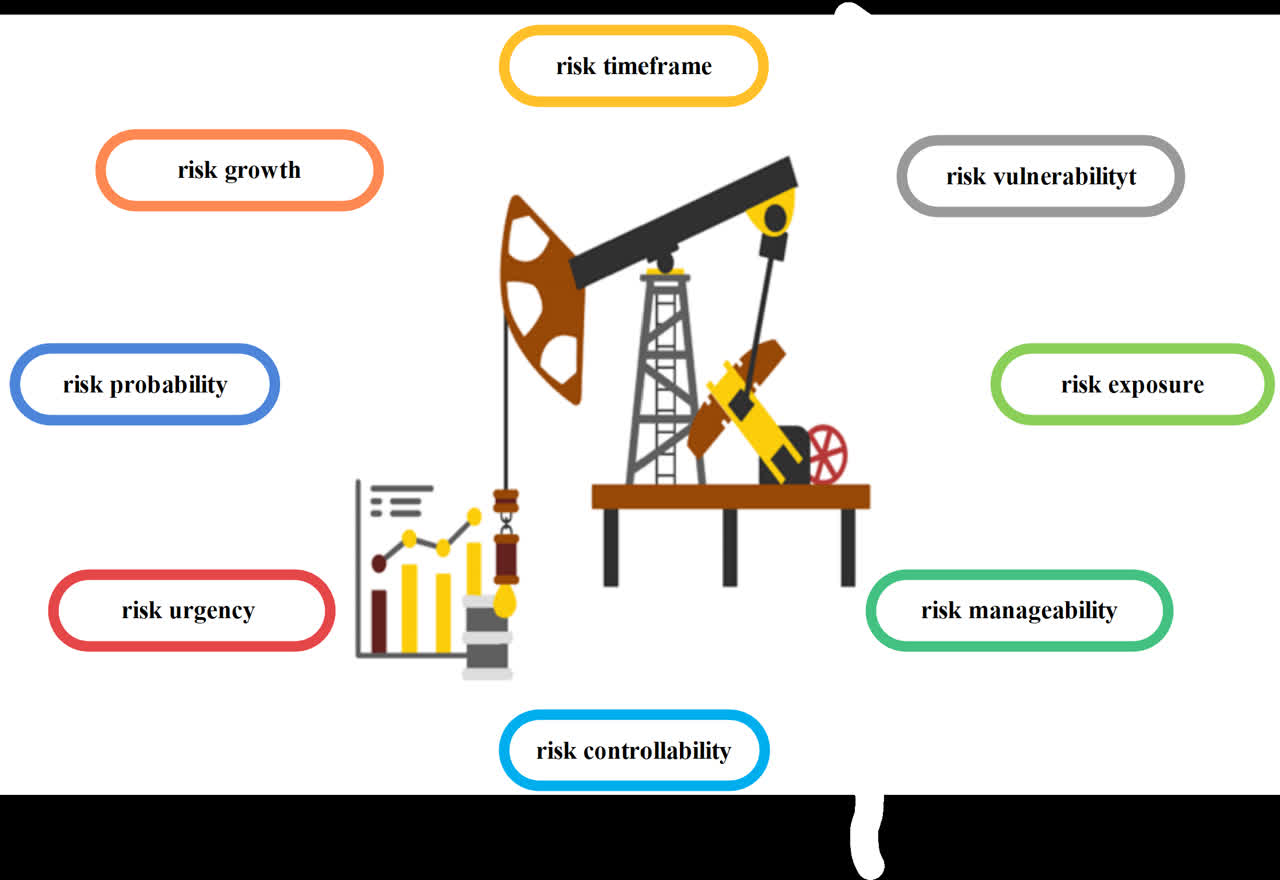
The motivation of this article is the way of ranking hazards through ERA (Environmental Risk Assessment), espacially in O&G industries (Oil & Gas). The paper reviews the related literature, and proposes a flexible ERA model incorporating several risk measures, such as risk impact, risk vulnerabilityt, risk exposure, risk manageability, risk controllability, risk urgency, risk growth, risk probability, risk detection, risk timeframe, risk effect delay, risk awareness, and risk outrage. The model was applied in risk assessment of a storage room of hazardous chemicals in a real-world problem. The results showed that the most important hazard was explosion of the storage. After this major hazard, ranking are explosion, then toxic hazard and leackage.
An Overview of Underground Coal Gasification
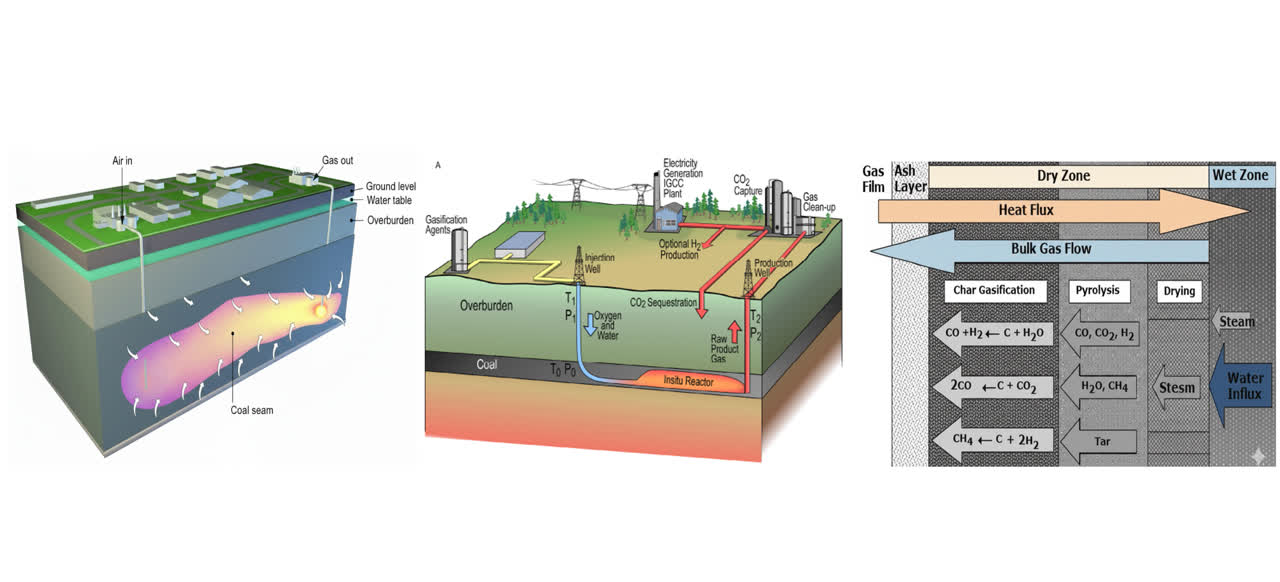
Underground coal gasification (UCG) represents a promising and cleaner approach to harnessing unmined coal reserves, offering a viable alternative to traditional coal extraction methods. While conventional mining recovers only 15-20% of total coal reserves, UCG has the potential to significantly extend the life of global coal resources by accessing otherwise unrecoverable deposits. Traditional mining is resource-intensive, requiring substantial time, labour, and machinery, and poses environmental and safety challenges such as landscape disruption, high operational costs, and risks to personnel. UCG circumvents these issues by gasifying coal in situ through a network of wells, where the coal is ignited and sustained by injected oxidants, producing syngas—a mixture primarily of carbon monoxide and hydrogen. This syngas can be used for industrial heating and power generation or converted into hydrogen, synthetic natural gas, and liquid fuels. Compared to surface mining and gasification, UCG offers reduced capital and operational expenses, fewer greenhouse gas emissions, and can be integrated with carbon capture and storage (CCS) technologies. With increasing global energy demand, oil and gas reserves depletion, and growing concerns over climate change, interest in UCG has risen worldwide. The process holds immense potential for exploiting low-grade, inaccessible coal seams and converting them efficiently into syngas, with wide-ranging energy, fuel, and chemical production applications. This report comprehensively analyses UCG technology, tracing its evolution and key projects globally. It examines site selection criteria, highlighting the importance of coal geology, coal properties, and geological and hydrological conditions. The report also reviews various UCG methods and the chemical and physical processes involved and explores process optimization and the influence of different operational parameters. Furthermore, the environmental and economic implications of UCG are assessed, alongside its advantages and disadvantages. This paper is an in-depth review of the fundamental concepts and technologies driving UCG, offering a detailed insight into this evolving coal conversion method.
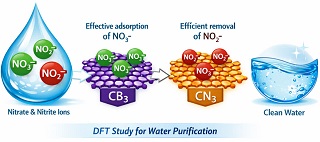
Evaluating the Ion Adsorption Properties of CB3 and CN3 Nanoflakes for Nitrate and Nitrite Removal in Water Purification: A DFT Approach
In this study, the adsorption and sensing performance of nitrate (NO₃⁻) and nitrite (NO₂⁻) ions on CB₃ and CN₃ nanoflakes were systematically investigated in both gas and aqueous environments. Density functional theory (DFT) and time-dependent DFT (TD-DFT) calculations were performed at the ωB97XD/6-31+G (d, p) level to optimize the geometries and evaluate the electronic, thermodynamic, and sensing-related properties of the NO₃⁻/NO₂⁻@CB₃ and NO₃⁻/NO₂⁻@CN₃ complexes. The calculated adsorption energies reveal that the CB₃–NO₂⁻ (model 2) complex exhibits the strongest interaction among all studied systems, indicating that CB₃ nanoflakes are highly effective adsorbents for nitrate and nitrite ions. The dipole moments and polarizabilities of the NO₃⁻@CB₃ and NO₃⁻@CN₃ complexes are significantly higher than those of their NO₂⁻ counterparts, suggesting greater sensitivity toward nitrate ions. Thermodynamic analyses confirm that the adsorption processes are exothermic and thermodynamically spontaneous, with enthalpy changes (ΔH) showing a slight decrease as the temperature increases from 298.15 to 328.15 K. The reduced energy gap (Egap) and chemical hardness (η) values for the adsorbed complexes indicate enhanced electrical conductivity and reactivity, supporting their suitability as sensitive sensors and efficient adsorbents. Further insights from atoms-in-molecules (AIM), electron localization function (ELF), and reduced density gradient (RDG) analyses demonstrate that the dominant interactions between NO₃⁻/NO₂⁻ ions and CB₃/CN₃ nanoflakes are governed by electrostatic forces and van der Waals interactions, with the NO₃⁻@CN₃ complex exhibiting the strongest interaction characteristics. Overall, the findings highlight CB₃ and CN₃ nanoflakes as promising candidates for the development of high-performance sensors and adsorbents for nitrate and nitrite ion removal from environmental systems.
Bonding Characteristics in Some Sustainable Water-Soluble Sulfonated PEPPSI–Pd–NHC Catalysts
Ehsan Alavipour
;
Mehdi Bayat
*
A density functional theory (DFT) study was performed to investigate the structural and electronic properties of four sulfonated, water-soluble PEPPSI–Pd–NHC complexes (2a–2d). All complexes were fully optimized, followed by higher-level single-point calculations to obtain an accurate description of their electronic structures. Metal–ligand interaction energies were evaluated to assess the strength and stability of the Pd–NHC bonding. Natural Bond Orbital (NBO) and Energy Decomposition Analysis (EDA) were employed to analyze charge distribution, bonding characteristics, and the nature of Pd–ligand interactions. The results reveal that variations in the NHC ligands significantly influence the electronic environment of the Palladium center. Notably, the catalyst bearing a 2,6-diisopropylphenyl substituent exhibits the strongest metal–ligand interaction, in good agreement with its superior experimental performance
A Model for Converting Oil and Gas Revenues into Sustainable Income Using Economic Security Principles
Amir Hossein khorshidi
*
Economic security has become a crucial concept in the modern world, attracting considerable attention from policymakers across various fields. This paper delves into one of the major challenges faced by oil-producing countries: transforming oil and gas revenues into sustainable income within the framework of economic security. We first introduce different methods for converting oil revenues into sustainable income. Subsequently, we employ the Ordered Priority Approach (OPA) and consult with a specialized community to assign weights to these methods based on established economic security criteria. Among the six methods evaluated, the approach involving forward contracts and the establishment of oil funds receives the highest score, identifying it as the most suitable method for converting oil revenues into sustainable income within the context of economic security. Based on our findings, employing a combination of diverse methods while emphasizing investment-based strategies and adhering to economic security principles can significantly contribute to enhancing a country's long-term economic security. This is particularly relevant for countries heavily reliant on oil and gas revenues
Technical and Economical Investigation of Water Alternating Gas (WAG) Injection on Oil Recovery actor
Amirjafar Peykani
;
Mohammad Ali Hatefi
*
One of the derivative methods of gas-injection techniques is the water alternate gas (WAG) injection methods, wherein water and gas are injected intermittently. Oil recovery by the WAG injection has been attributed to contact the upswept zones, especially recovery of attic or cellar oil by exploiting segregation of gas to the top or accumulation of water toward the bottom. In this study the process of water alternating gas injection in a petroleum reservoir has been simulated. For this purpose, existing laboratory data are used and then the injecting fluid in the reservoir is modeled. The results of this method are compared with other reservoir development methods, such as gas injection or natural depletion. Various injection scenarios have been considered. Among the optimized scenarios, the WAG injection with 0.2 PV, 1:1 WAG ratio and 5 months water and 3 months gas injection period had the highest cumulative oil production of 115.28 MMSTB. The economic analysis of WAG injection has been presented for the most optimum oil production scenario (i.e. WAG-1:1 Ratio-5:3 Period scenario). The impact of economic factors such as the oil price, discount rate, OPEX, and CAPEX on the net present value (NPV) has been studied. The sensitivity analysis showed that the oil price has the greatest impact on the NPV which was followed by the discount rate and OPEX. However, the CAPEX has shown to have the least effect on the calculated NPV
Transition to a Low-Carbon Economy in Oil-Exporting Countries: The Role of Macroeconomic Factors
Ali Emami Meybodi
*
;
Fatemeh Maralkhani Azar
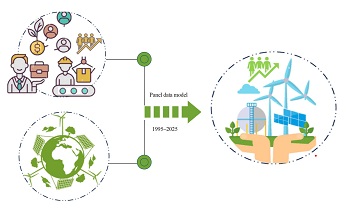
The increasing consumption of fossil fuels, combined with their non-renewable nature, has intensified carbon dioxide emissions worldwide. This issue is particularly critical in oil-exporting countries due to their strong economic dependence on oil and gas revenues. Accordingly, this study examines the impact of selected economic factors on environmental pollution using panel data from seven oil-exporting countries in the Middle East over the period 1970–2023. The analysis is conducted within a panel econometric framework.The empirical results indicate that gross domestic product [1]has a negative and statistically significant effect on carbon dioxide emissions, suggesting improvements in energy efficiency and a gradual shift in economic structures toward less energy-intensive activities in the studied countries. In contrast, foreign investment and urban population growth exert positive and significant effects on carbon emissions, implying that these factors are mainly concentrated in energy-intensive sectors and heavy industries.Moreover, the findings reveal that renewable energy production is positively associated with carbon dioxide emissions, which may reflect the expansion of clean energy sources alongside increasing total energy consumption rather than a complete substitution of fossil fuels.Overall, the results highlight the importance of policies aimed at enhancing energy efficiency, improving production structures, and strengthening environmental regulations in order to reduce environmental pressure and promote sustainable development in oil-exporting countries
Social Responsibility Towards the Environment: Green Banking and a Comparison of its Application in Domestic and Foreign Banks
Mohammad Housein Madavi Adeli
*
;
Nasrin Hashemizadeh
In light of growing global concerns regarding climate change and environmental degradation, banking, as a vital artery of the economy, plays a significant role in guiding sustainable policies. This study aims to investigate the current status of green banking in Iran, particularly in the National Bank of Iran, and to compare it with global standards. In the first phase, a comparative-analytical approach was employed to examine the experiences of domestic banks (Agricultural, Quds, and Commercial) and international banks (the Reserve Banks of India, Bangladesh, and Pakistan). The findings revealed that international banks have more experience in the field of green banking and offer a greater variety of financial tools to support green projects. In the next phase, time-series econometric methods, particularly the Autoregressive Distributed Lag (ARDL) model, were used to analyze the impact of foreign bank investments in clean energy, bank loans in this sector, green Gross Domestic Product (GDP), and air pollution emissions on the level of environmental degradation. After confirming the cointegration of variables at levels I(0) and I(1) using the Augmented Dickey-Fuller (ADF) and Phillips-Perron (PP) tests, the Engle-Granger cointegration test and the Bounds test were applied to identify long-term relationships. The results showed that there is a stable long-term relationship among the studied variables, and the model is capable of explaining both statistically significant short-term and long-term relationships between them. Ultimately, these findings can serve as a foundation for economic, banking, and environmental policy-making to promote green banking in Iran
About the Journal
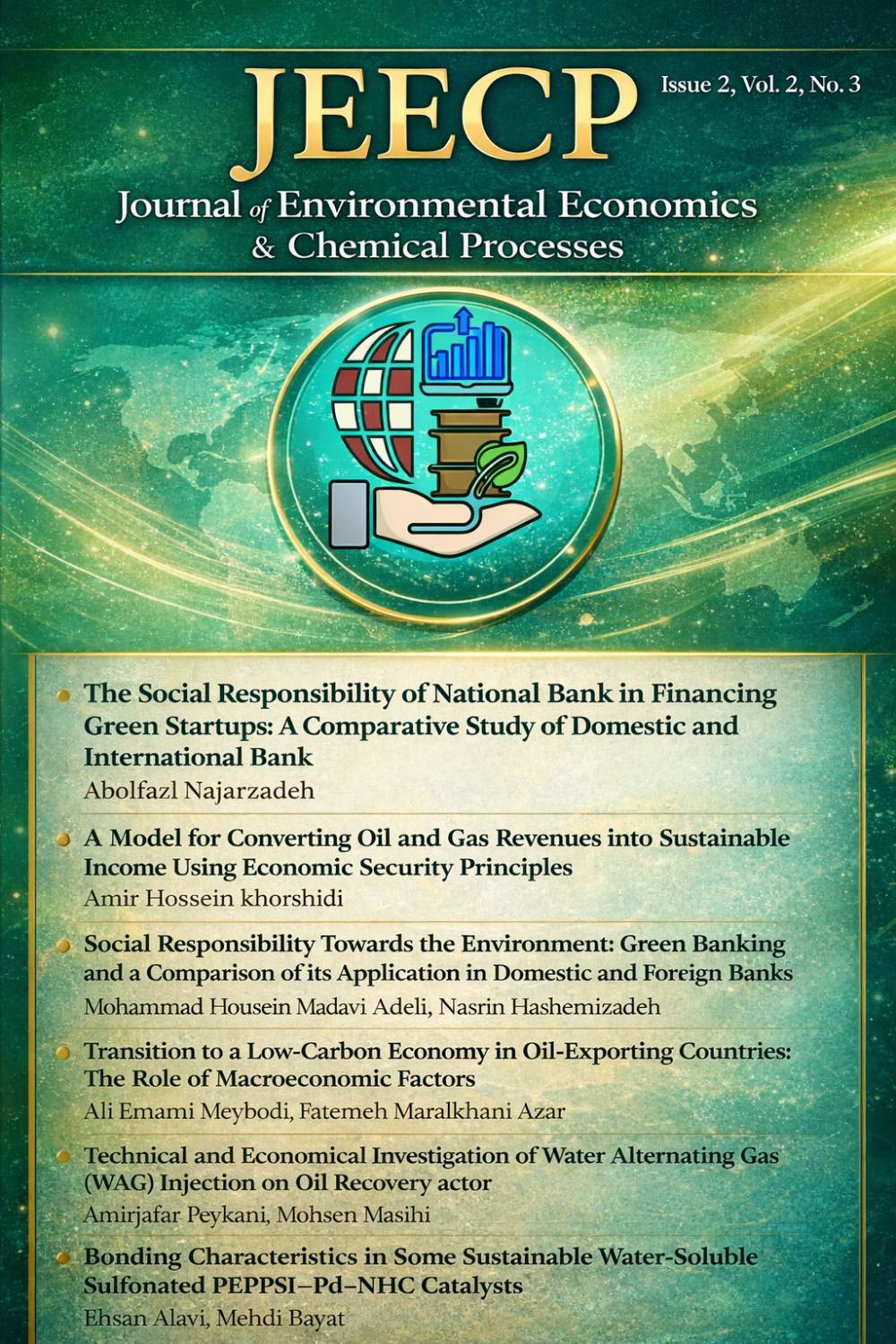
Journal of Environmental Economics and Chemical Processes is an open access multidisciplinary journal covering general fields of Environmental, Economic, Chemistry and Chemical processes. JEECP Published by Institute of Power, Movement, and Innovative Insight.
JEECS welcomes high quality original papers in English dealing with experimental, theoretical and applied research related to all branches of mentioned fields. JEECS is licensed under a Creative Commons Attribution 4.0 International License.
Current Issue
Vol. 2 No. 4: Serial Number: 5
Published:
2026-02-25